
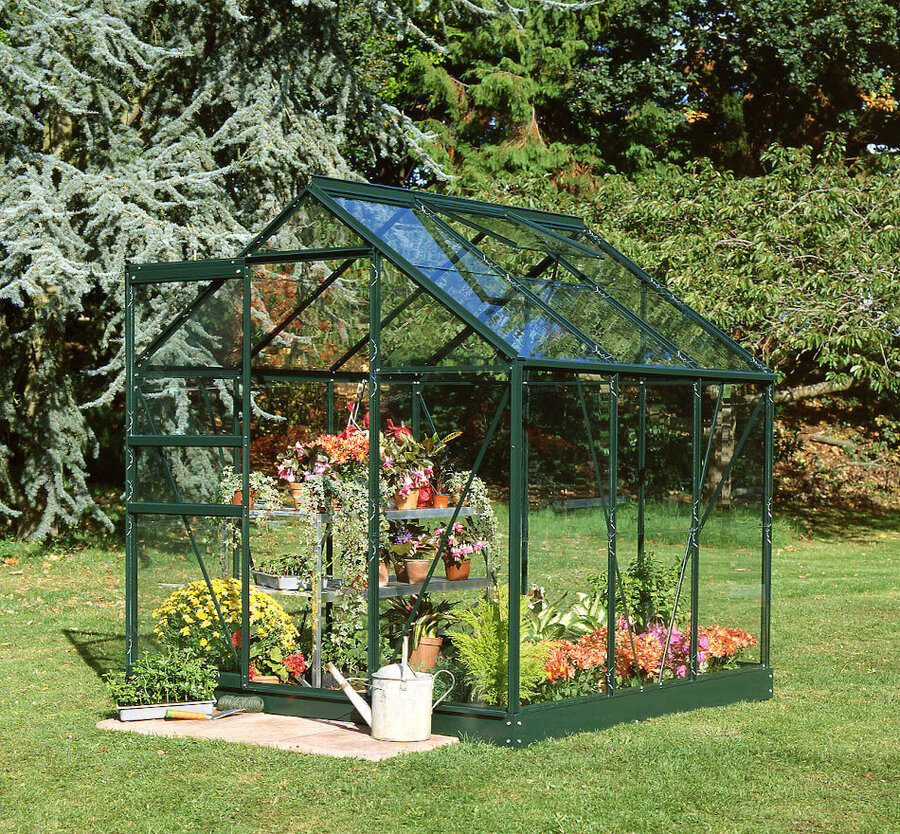
15% Off & Free Base
Halls Popular Greenhouse
£390.15
RRP £459.00-15%
A freestanding greenhouse gives you growing space wherever your garden allows, with no existing wall or structure required. Halls Greenhouses has been making freestanding greenhouses for many years, and the range spans compact models through to spacious garden rooms and orangery-style structures. Glass and polycarbonate glazing options, a variety of frame finishes, and sizes to suit different plots mean there is a great deal to explore. All are backed by the Halls Greenhouses 12-year warranty.
15% Off & Free Base
Halls Popular Greenhouse
£390.15
RRP £459.00-15%

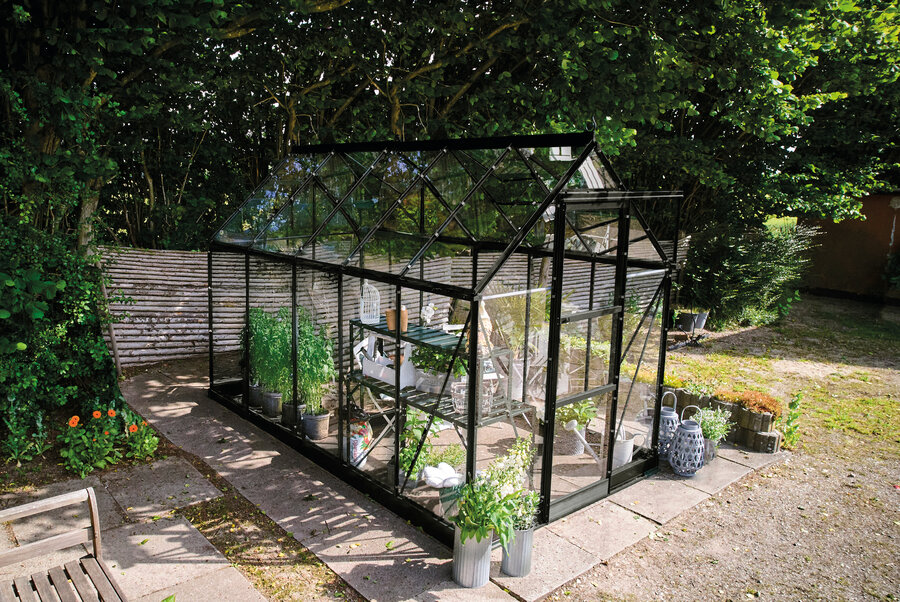
Comfort and room for your garden ideas
Halls ICON 6 Greenhouse
£524.00
Base, Staging, Downpipes & Capping Incl.
Halls ICON 6 Greenhouse Bundle
£1,068.80
RRP £1,336.00-20%
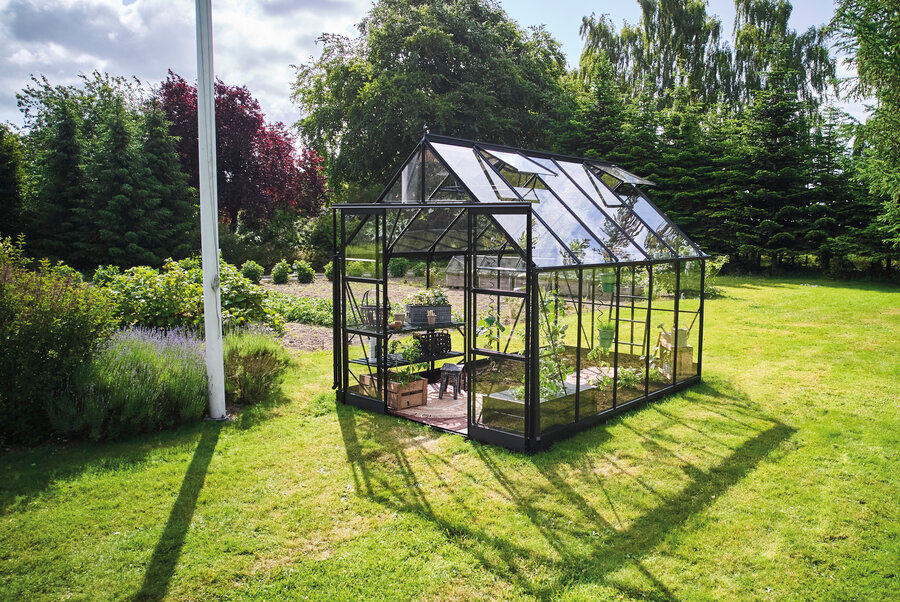
More room for plants and garden dreams
Halls ICON 8 Greenhouse
£1,199.00
Base, Staging, Downpipes & Capping Incl.
Halls ICON 8 Greenhouse Bundle
£2,016.00
RRP £2,520.00-20%
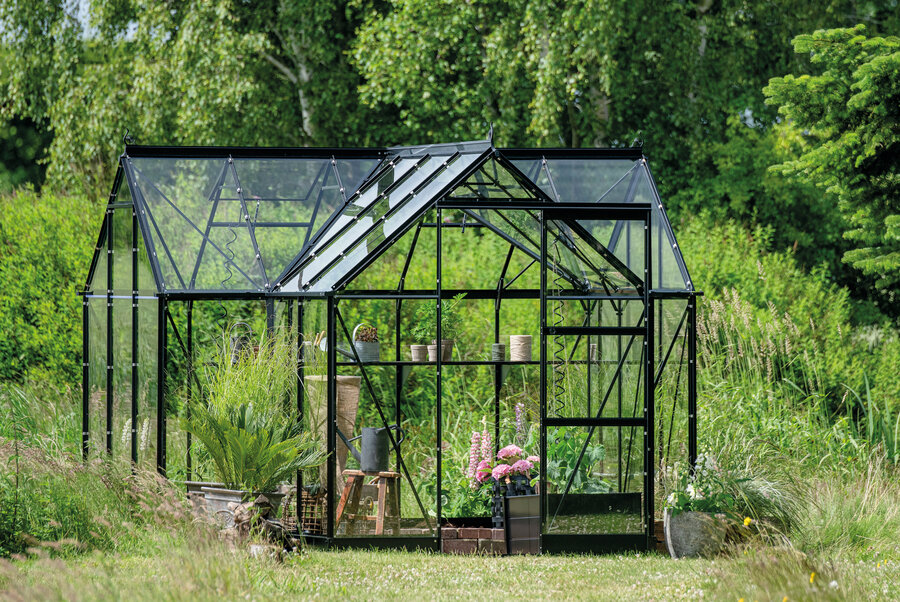
Greenhouse in orangery style - elegant and functional
Halls ICON Gardenhouse 6
£2,699.00
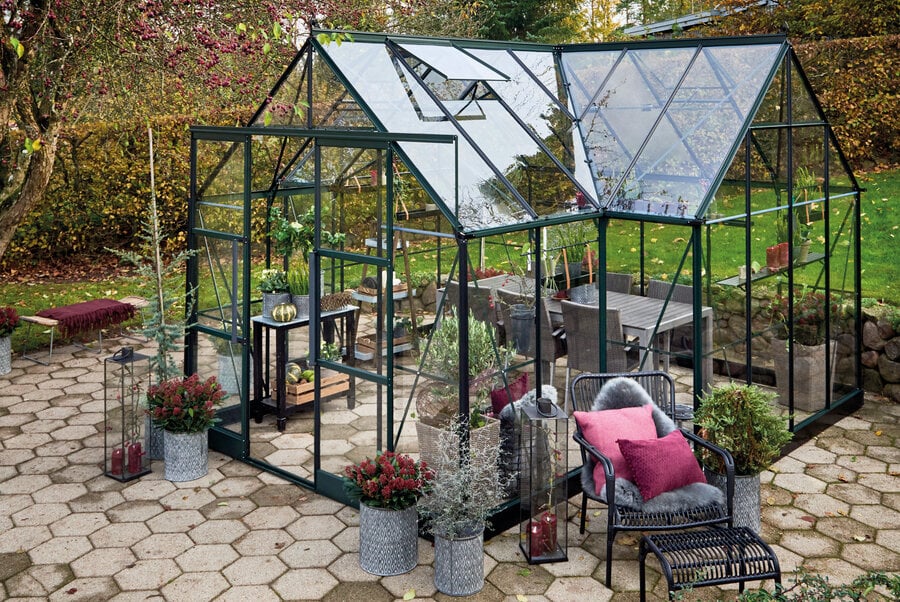
Greenhouse in orangery style - elegant and functional
Halls ICON Gardenhouse 8
£2,899.00
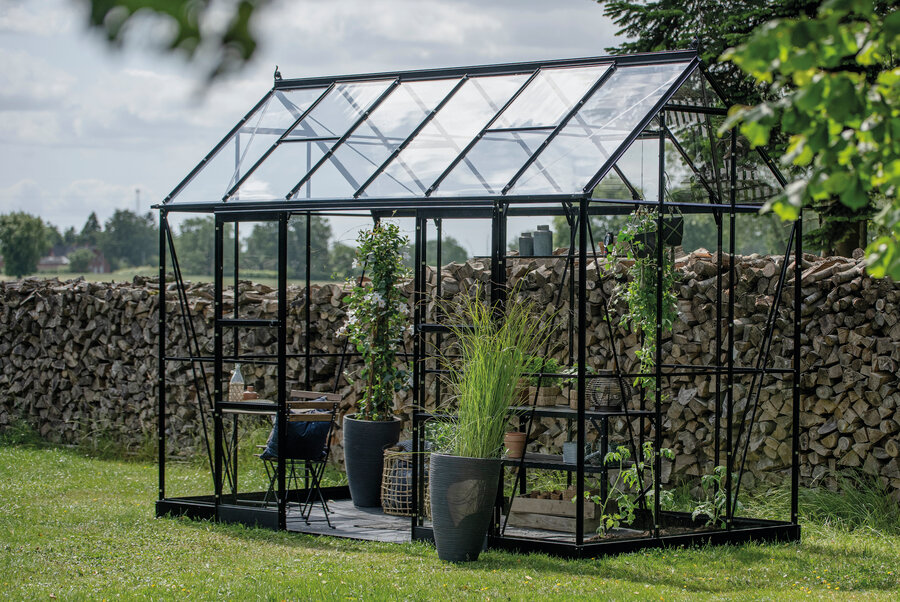
Greenhouse for big dreams — and tall plants
Halls ICON Planthouse 6
£1,499.00
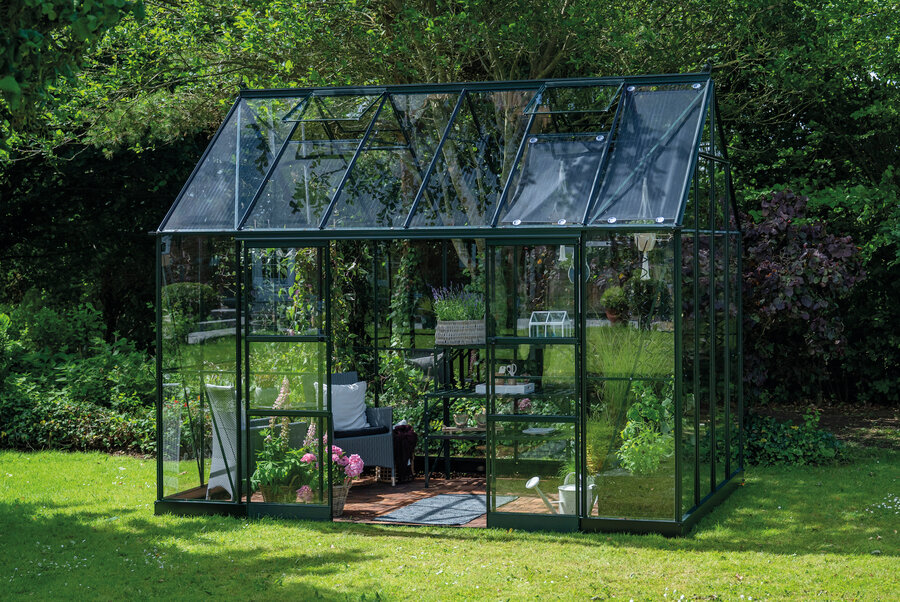
Greenhouse for big dreams — and tall plants
Halls ICON Planthouse 8
£2,199.00
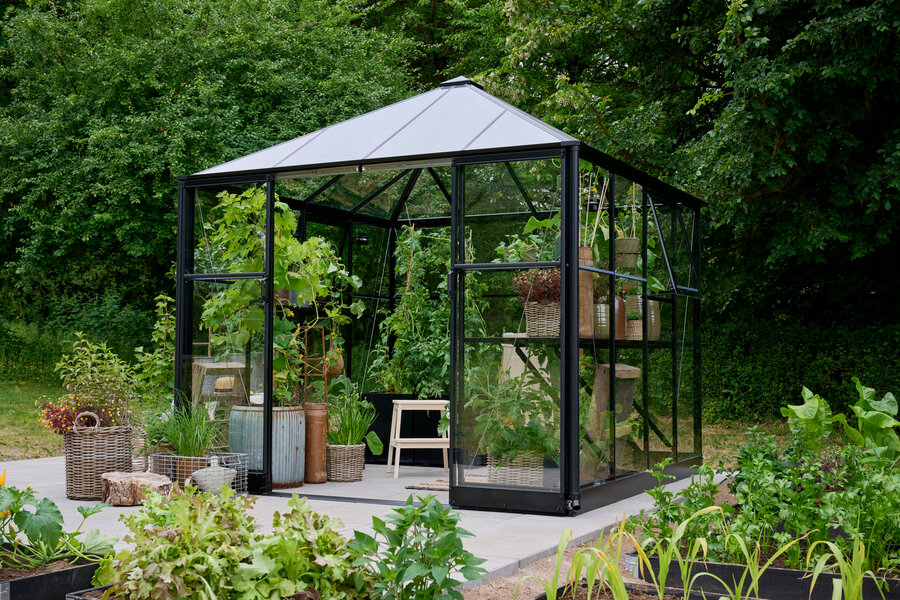
Halls Qube Square
£1,979.10
£2,199.00-10%
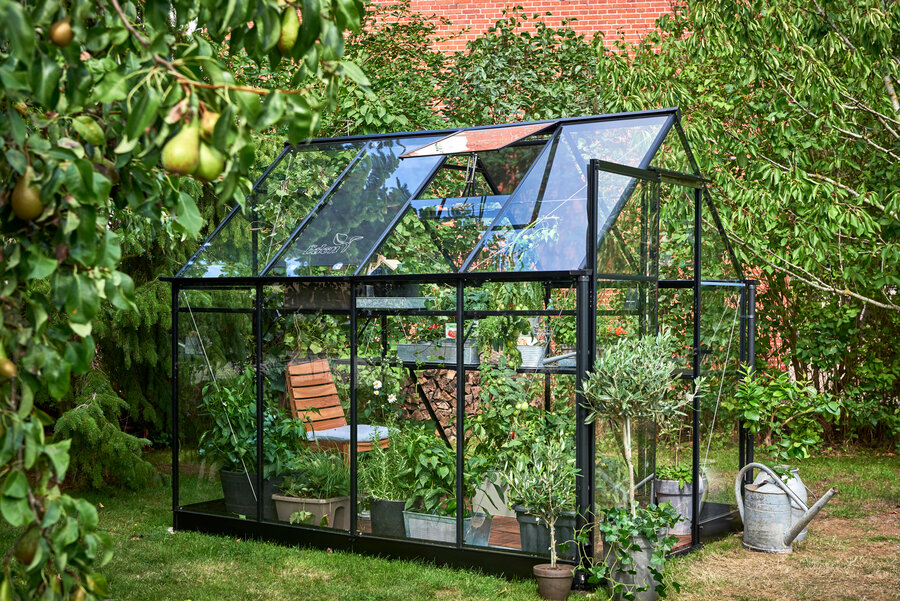
STRONG & TIMELESS
Halls Qube 6
£809.10
RRP £899.00-10%
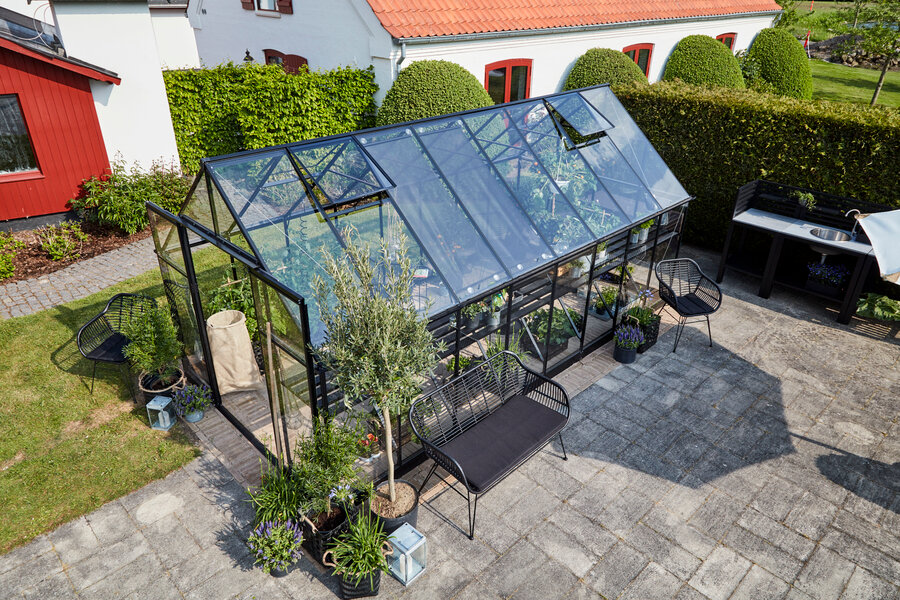
AIR AND LIGHTNESS
Halls Qube 8
£1,169.10
RRP £1,299.00-10%
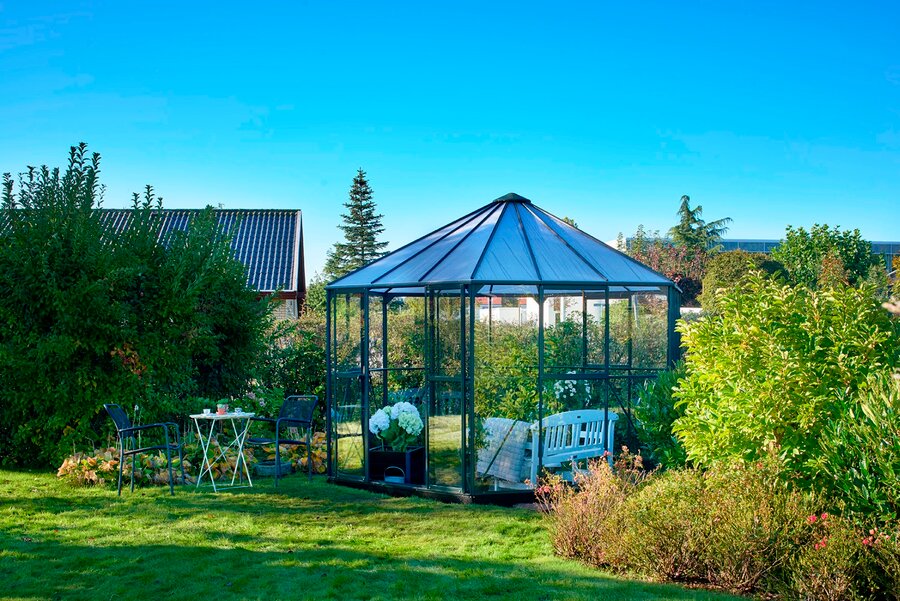
ELEGANT PAVILION
Halls Atrium
£1,204.50
RRP £2,409.00-50%

Base, Guttering & Downpipes Incl.
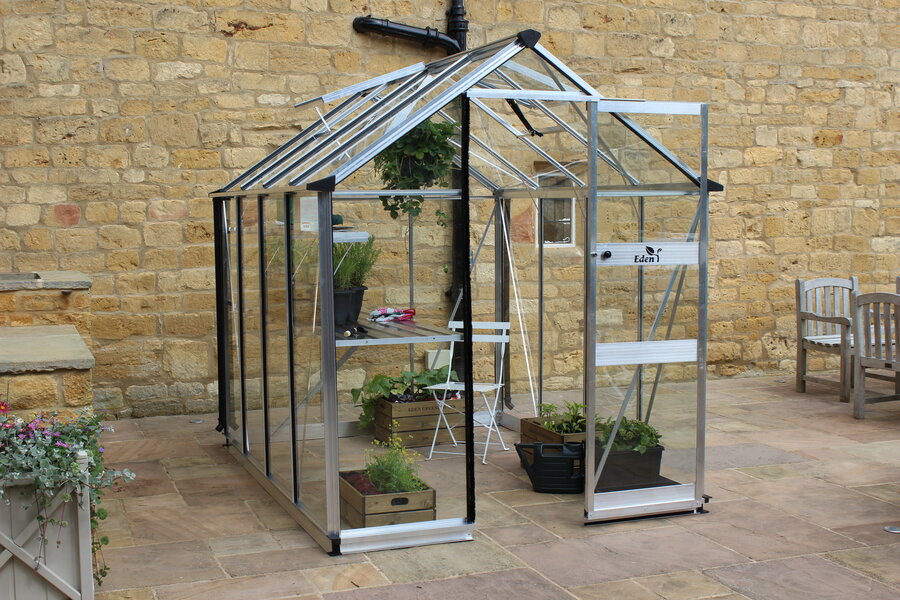
Halls Cotswold Birdlip
£801.75
RRP £1,069.00-25%
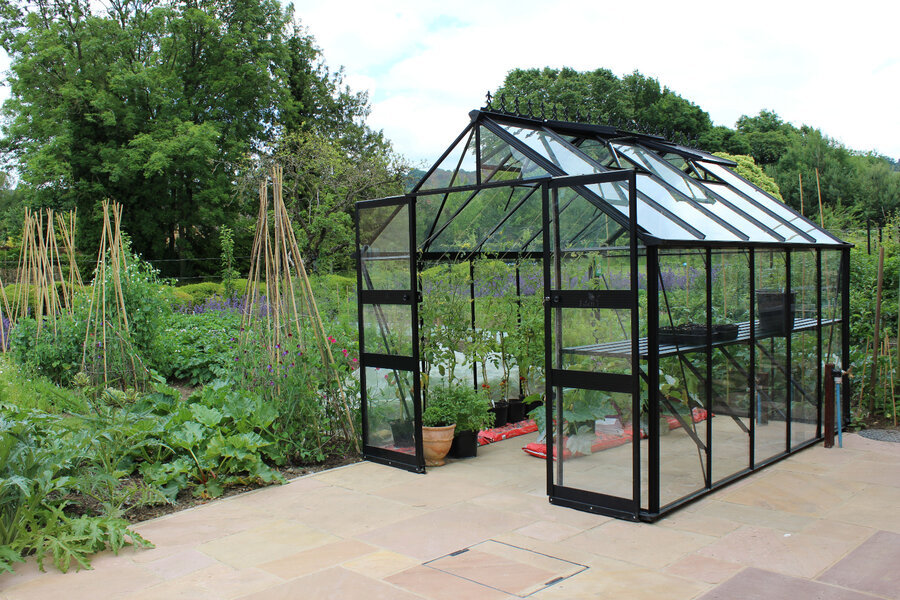
Base, Guttering & Downpipes Incl.
Halls Cotswold Blockley
£1,649.25
RRP £2,199.00-25%
Base, Guttering & Downpipes Incl.
Halls Cotswold Burford
£944.25
£1,259.00-25%
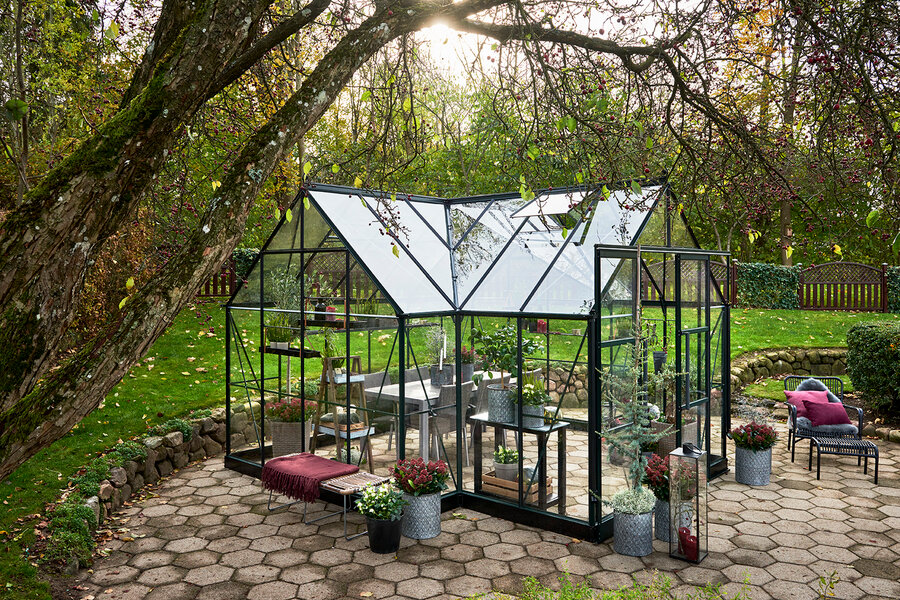
THE GARDEN ROOM
Halls Garden Room
£2,256.75
£3,009.00-25%
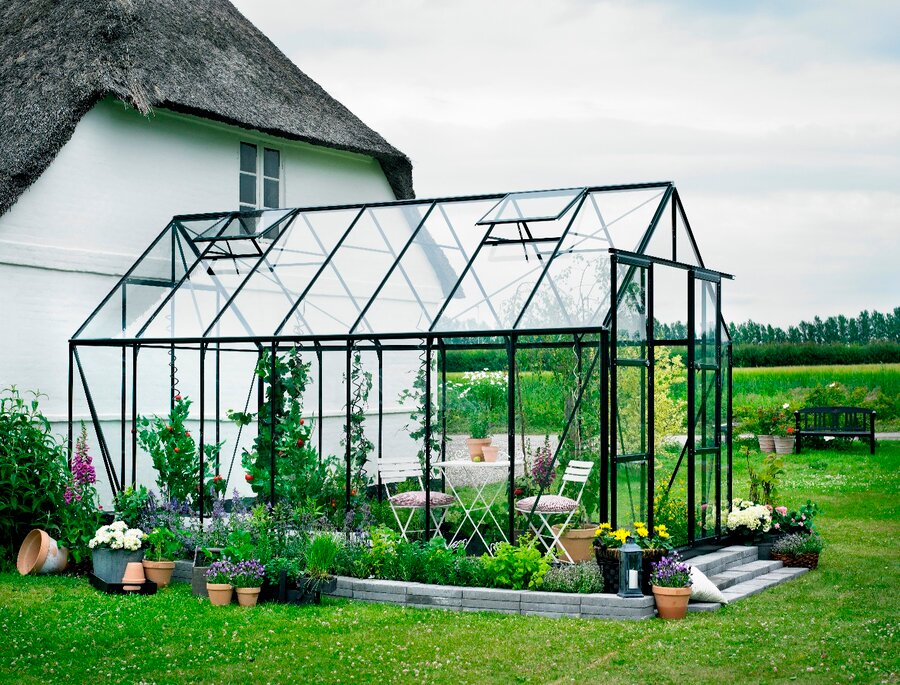
25% Off & Free Base
Halls Magnum
£1,094.25
RRP £1,459.00-25%
You've viewed 18 of 18 products
A freestanding greenhouse is a glazed growing structure that stands independently in the garden, requiring no wall, fence, or building for support.
The main advantage is flexibility. Because a freestanding greenhouse needs no supporting structure, you can position it to make the most of available sunlight and site it wherever your garden has room. This makes the style well suited to open plots where a lean-to would not be practical.
Access is another practical consideration. With most freestanding designs, you can walk around the outside for cleaning and maintenance, which lean-to models do not always permit.
Freestanding greenhouses also tend to offer more internal height than compact alternatives. That matters if you plan to grow tall crops such as tomatoes or sweet peppers, or if you simply want to work comfortably inside.
The Halls Greenhouses range covers traditional apex-roof designs, the contemporary lines of the Halls Qube, and broader garden room and orangery-style structures. This breadth means there is something to suit different garden settings and growing ambitions, from a first greenhouse to a more serious growing space.
Size is the starting point. Think about what you want to grow and how much bench or staging space you will need, not just floor area. A smaller model works well for raising seedlings and overwintering tender plants. A larger structure opens up year-round cultivation and more variety.
Glass is a traditional choice valued for its appearance and light transmission.
Polycarbonate panels offer good impact resistance and tend to retain warmth more effectively overnight or through a cold spell.
Aluminium frames are low maintenance and durable. Halls Greenhouses offers models in green and black finishes alongside the classic mill finish.
It keeps the structure secure and makes assembly considerably more straightforward. Some models in the Halls Greenhouses range come with a base included. Check the individual product page for details. If yours does not, it is worth arranging one before installation.
A freestanding greenhouse stands independently and requires no adjacent wall or fence for support. A lean-to greenhouse is fixed against an existing wall or building. Lean-to models can suit smaller gardens or south-facing walls, but a freestanding structure gives you more freedom to position and orient the greenhouse to suit your plot.
Permitted development rules vary, and a freestanding greenhouse may or may not require planning permission depending on factors such as size, property type, and location. You should always check with your local planning authority before installation. If you are uncertain about your specific situation, a qualified planning professional can advise.
What size freestanding greThis depends on what you want to grow and the space available in your garden. A smaller model suits seed propagation and overwintering tender plants. A larger greenhouse allows for more variety and year-round cultivation. Growing space tends to fill faster than expected, so it is worth considering whether the next size up might serve you better in the long run.
Both materials have real advantages. Glass offers high light transmission and a traditional appearance, and toughened glass is considerably more robust than older horticultural glass. Polycarbonate is impact-resistant, lighter to handle during assembly, and retains heat more effectively overnight. The right choice depends on your priorities: light levels, resilience, or warmth retention.
Yes, a solid and level base is strongly recommended. It stabilises the structure, prevents moisture from collecting underneath, and makes assembly more accurate. Some models in the Halls Greenhouses range include a base; check the individual product page for details.
Browse the full range above to find the freestanding greenhouse that suits your garden and growing plans. For questions about a specific model, the Halls Greenhouses team is on hand to help. You may also want to explore the full accessories range once you have chosen your greenhouse.