Skip to content

What to do in the greenhouse in June

In June, care is the main thing on the agenda in the greenhouse: tomatoes should be pinched out and tied regularly, peppers and aubergines need a steady supply of water and sufficient nutrients. At the same time, regular ventilation is now particularly important so that heat and high humidity do not become a problem. Reseeding, fertilising and small inspection rounds are also among the most important tasks in the greenhouse in June.


For more tips and tasks in June, check out this article.

Plant care in June: Care, crops and a few tips

There’s a lovely stillness to the greenhouse in June, especially early in the morning when the sun filters through the panes and everything is just waking up. It’s a time of promise, of tangy tomato leaves brushing your arms and the hum of bees sneaking in through the open door.


But make no mistake, June in the greenhouse is a busy time, and if you want those Mediterranean crops to thrive, they’ll need a fair bit of your care and attention.

Pflanzenpflege im Juni: Jetzt spießt alles

Im Juni liegt eine besondere Ruhe über dem Gewächshaus – vor allem am frühen Morgen, wenn die Sonne durch die Scheiben fällt und alles langsam erwacht. Es ist eine Zeit voller Wachstum, mit dem würzigen Duft von Tomatenblättern, die beim Vorbeigehen leicht die Arme streifen, und dem Summen der Bienen, die durch die offene Tür hineinfliegen.


Doch eines ist klar: Der Juni ist im Gewächshaus ein arbeitsreicher Monat. Wenn mediterrane Kulturen wie Tomaten, Paprika und Auberginen gut gedeihen sollen, brauchen sie jetzt regelmäßige Pflege und Aufmerksamkeit.

Pinch out and tie tomatoes

Let’s start with tomatoes. By now they should be racing away, especially if you got them in during April or early May. The key job this month is side-shooting.


For those growing cordon varieties (like 'Moneymaker', 'Sungold', or 'Gardener’s Delight'), keep an eye on the junctions where the leaves meet the stem. That’s where the sneaky side shoots appear, little shoots that, if left unchecked, will turn your tidy tomato plant into a sprawling mess.


Simply pinch them out with your fingers while they’re small. It becomes oddly satisfying once you get into the rhythm of it.


While you’re at it, don’t forget to tie the main stem to your support system, I use soft jute twine. Here's a little trick I picked up from my grandad: loop the twine around the plant in a figure of eight, with the crossover point between the stem and the support. That way, you avoid bruising the plant as it grows.

Water peppers evenly

Now onto sweet peppers. These are slower and more steady in their growth than tomatoes, but don’t let that fool you into thinking they don’t need attention. Keep them evenly watered, they hate drying out and then being soaked.


A good mulch of fine compost or grass clippings helps maintain moisture. You’ll see flowers forming this month, and a gentle shake of the plant now and then will help pollinate them.


I also like to pick off the first fruits early, even before they fully ripen. It encourages the plant to put more energy into future growth, leading to a better crop overall.

Paprika gleichmäßig gießen

Paprikapflanzen wachsen langsamer und ruhiger als Tomaten. Trotzdem brauchen auch sie im Juni Aufmerksamkeit. Besonders wichtig ist eine gleichmäßige Wasserversorgung. Paprika mögen es nicht, erst auszutrocknen und anschließend stark gegossen zu werden.


Eine Mulchschicht aus feinem Kompost oder Rasenschnitt hilft dabei, die Feuchtigkeit im Boden zu halten. Im Juni bilden sich oft die ersten Blüten. Ein leichtes Schütteln der Pflanze kann die Bestäubung unterstützen.


Es kann außerdem sinnvoll sein, die ersten Früchte früh zu entfernen – auch bevor sie vollständig ausgereift sind. So steckt die Pflanze mehr Energie in ihr weiteres Wachstum, was später zu einer besseren Ernte führen kann.

Aubergines are good indicators

Aubergines are the fussy cousins in the greenhouse family. Beautiful, dramatic plants with rich green leaves and striking flowers, but they’re the first to throw a tantrum if conditions aren’t right.


I always call them my ‘marker plant’ – if there’s an issue with red spider mite or aphids, the aubergines will be the first to show signs. Curled or mottled leaves? Time to act.


I’ve had good luck introducing beneficial insects like ladybirds and predatory mites early in the season. They keep the balance without the need for sprays, and watching them do their work is one of those small joys that remind you nature knows what it’s doing.

Ventilate regularly

Ventilation is vital now. Greenhouses can heat up very quickly in June, and high humidity can invite all sorts of problems.


Open the windows, vents and doors during the day. I leave mine open from early morning until dusk, unless there’s a storm coming.


If you’re worried about birds or cheeky wildlife wandering in (I once had a blackbird dig up several freshly planted basil plants looking for worms), try adding a magnetic net across the door. They’re simple to install and let the air through while keeping the curious critters out.

Regelmäßig lüften

Im Juni kann sich ein Gewächshaus sehr schnell aufheizen. Gleichzeitig kann eine hohe Luftfeuchtigkeit Krankheiten und Schädlinge begünstigen. Deshalb ist gute Belüftung jetzt besonders wichtig.


Öffne tagsüber Fenster, Lüftungen und Türen. An warmen Tagen können diese oft vom frühen Morgen bis zum Abend geöffnet bleiben – es sei denn, es zieht ein Gewitter auf.


Wer verhindern möchte, dass Vögel oder andere Tiere ins Gewächshaus gelangen, kann ein magnetisches Fliegennetz an der Tür anbringen. Es lässt frische Luft hinein, aber hält neugierige Besucher draußen.

Cut basil regularly

Speaking of basil, now’s the time to be giving it some love. Basil enjoys the warmth and will grow quickly, especially in a sunny corner of the greenhouse.


But if you let it flower, the leaves turn bitter. So, keep pinching out the tips to encourage bushy growth.


I like to use the tops in a quick tomato salad with a splash of olive oil, it’s fresh, simple, and just right for a light lunch after a morning on the plot.

Reseeding fast-grown crops

With crops maturing fast in the garden, gaps will start appearing, but that’s your chance to keep things rolling. Sow quick crops like:

  • Lettuce
  • Rocket
  • Radish
  • Spring Onions


In June, they germinate fast and fill in nicely between your main crops. I often sow in modules so I can drop them into place as soon as a gap appears. It keeps everything ticking over and makes the most of the space.

Fertilise heavy feeders regularly

Another job not to be forgotten is feeding. Tomatoes, aubergines and peppers are hungry plants.


Once the first truss of tomatoes has set, start feeding weekly with a high-potash feed.


If you make your own comfrey or nettle tea, all the better. It’s a bit whiffy, but it gives them exactly what they need.

Schnell wachsende Kulturen nachsäen

Im Garten und Gewächshaus reifen nun viele Pflanzen schnell heran. Dadurch entstehen immer wieder kleine Lücken. Diese können ideal genutzt werden, um zügig wachsende Kulturen nachzusäen. Geeignet sind zum Beispiel:

  • Kopfsalat oder Pflücksalat
  • Rucola
  • Radieschen
  • Frühlingszwiebel


​​​​​​​Im Juni keimen diese Pflanzen schnell und füllen freie Stellen gut aus. Besonders praktisch ist die Aussaat in kleinen Modulen oder Töpfen. So können Jungpflanzen später direkt in entstandene Lücken gesetzt werden.

Starkzehrer regelmäßig düngen

Tomaten, Auberginen und Paprika gehören zu den hungrigen Pflanzen. Sobald sich bei Tomaten der erste Fruchtstand gebildet hat, sollte wöchentlich mit einem kaliumbetonten Dünger nachgeholfen werden.


Auch selbst angesetzte Brennnessel- oder Beinwelljauche eignet sich gut. Der Geruch ist zwar gewöhnungsbedürftig, doch die Pflanzen profitieren deutlich davon.

Order keeps the greenhouse healthy

Also, give the greenhouse a regular once-over. Wipe down any algae on the glass, check your canes and supports are firm, and remove any yellowing leaves or fallen petals that might harbour disease. A tidy greenhouse is a healthy greenhouse.

Don't forget: Enjoy the greenhouse

One last thing I’ve learned over the years -  make time to sit in your greenhouse. I know it sounds strange, but sometimes we’re so busy tending, we forget to enjoy.


I keep an old wooden stool just inside the door. Mid-morning, cup of tea in hand, I sit and listen.


It’s in those quiet moments I often spot something I would have missed, the first blush on a ripening tomato, a bee fumbling inside a pepper flower, or a snail attempting a cheeky climb up the staging.

June is growth time

So, that’s June in the greenhouse. A month of growth, promise, and a fair bit of graft.


But the rewards are just around the corner, and with a bit of care, your plants will repay you tenfold.


Happy growing, and don’t forget to check your twine knots!

Nicht vergessen: Das Gewächshaus genießen

Bei all der Pflege sollte eines nicht zu kurz kommen: Nimm dir Zeit, das Gewächshaus zu genießen.


Ein kleiner Hocker am Eingang, eine Tasse Tee am Vormittag und ein paar ruhige Minuten reichen oft schon aus. In solchen Momenten entdeckt man häufig Dinge, die im Alltag übersehen werden: die erste Farbe an einer reifenden Tomate, eine Biene in einer Paprikablüte oder eine Schnecke, die sich langsam ihren Weg nach oben sucht.

Fazit: Juni ist Wachstumszeit

Der Juni ist im Gewächshaus ein Monat voller Wachstum, Pflege und Vorfreude. Es gibt viel zu tun – vom Ausgeizen und Anbinden über das Gießen und Lüften bis hin zum Düngen und Nachsäen.


Doch die Mühe lohnt sich. Mit etwas Aufmerksamkeit danken es dir deine Pflanzen bald mit kräftigem Wachstum und einer reichen Ernte.


Viel Freude beim Gärtnern – und vergiss nicht, die Schnüre und Knoten regelmäßig zu kontrollieren.

About the author of this article

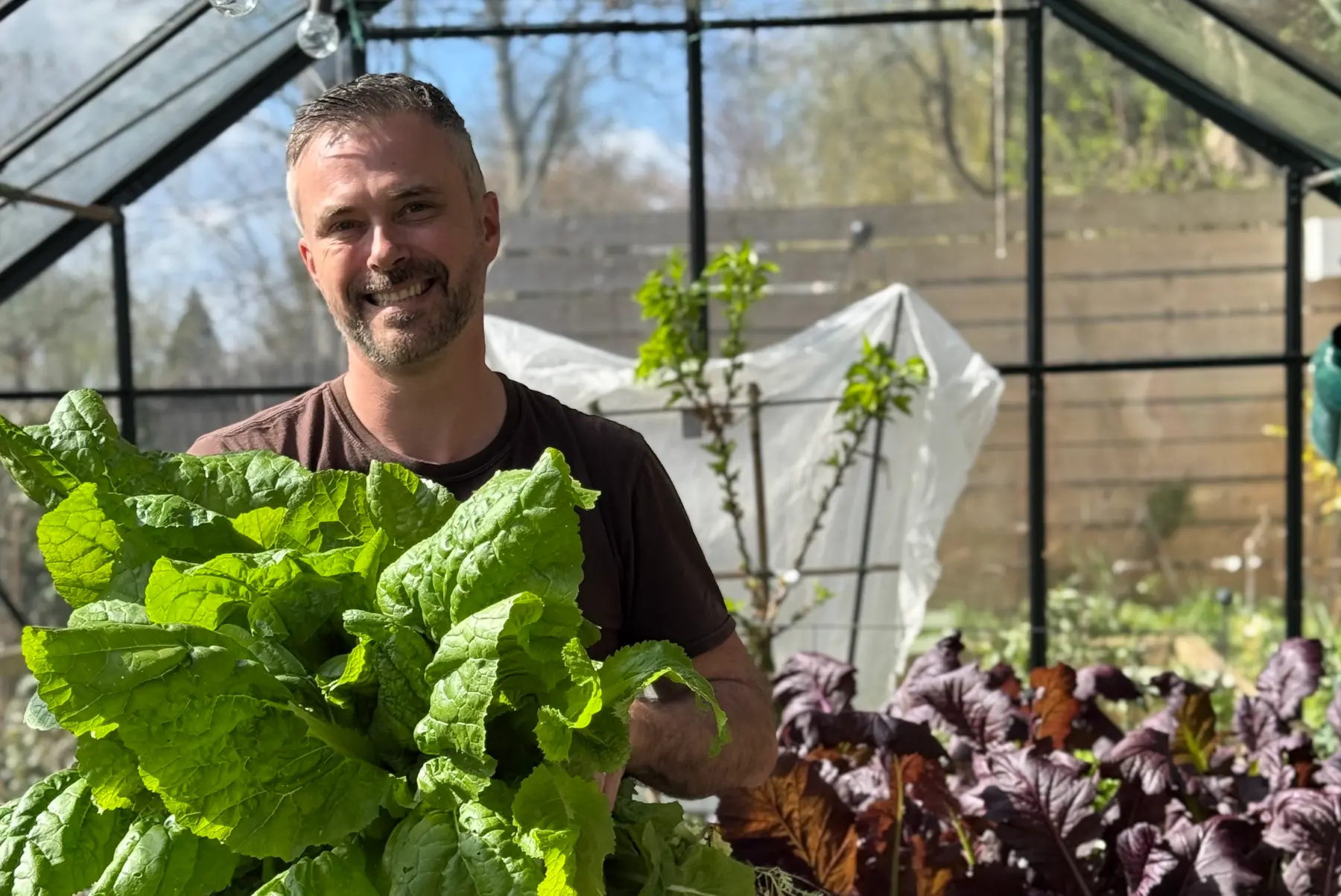
Rob is an experienced gardener with a focus on growing fruits, vegetables and other edible plants. He writes for several British garden magazines, can be seen regularly on television and radio and also shares his passion for self-cultivation on social media among @robsallotment


In addition, Rob works with well-known horticultural companies in the UK, including Suttons, Thompson & Morgan, Dobies and The Organic Gardening Catalogue. Together, he develops new and exciting varieties of fruit, vegetables and flowers that are available in garden centres in the UK and EuropeWhen he's not writing or in front of the camera, Rob can usually be found in his kitchen garden – in all weathers and almost always accompanied by his loyal dogs Nipper and Reggie.


Photos: Robert Smith und Darren Laki / Text: Robert Smith​​​​​​​ / June 2025

JULIANA GROUP

Juliana Group is a leading global supplier of quality residential greenhouses. Founded in 1963 by Mogens A. Stærmose in Odense, Denmark, the family-owned company is today owned by the third generation, Nikolaj Stærmose. The headquarters remains Odense-based with subsidiaries in the UK and Germany and exports to more than 20 countries.

’We help people grow’. That is why our brands Halls, and Juliana set the frame for experiences that are as natural as they are magical. Despite our long history, we’re future-focused and curious about how we can improve the sustainability of our greenhouses. Learn more about Juliana and find inspiration for life in the greenhouse in our inspirational universe.